
Introduction: Automation Is No Longer a Competitive Advantage—It’s a Requirement
As connectivity standards advance toward USB-C 3.2, USB4, and high-power Power Delivery, cable manufacturing has evolved from manual assembly into a high-precision engineering process.
For global B2B buyers, especially those supplying North America and Europe, product quality is no longer judged by appearance alone. Performance consistency, safety, and long-term reliability are critical—and these can only be achieved through fully automated production systems.
This article explains why automation is essential in high-speed cable manufacturing and how it directly impacts product performance and brand success.
1. The Complexity of High-Speed Cable Manufacturing
Modern high-speed cables must support:
- Data transfer up to 40 Gbps
- High-resolution video transmission
- Power delivery up to 240W
These requirements impose extremely tight tolerances on:
- Conductor geometry
- Differential pair matching
- Shielding integrity
- Connector precision
Manual production cannot consistently meet these standards.
2. Automation Ensures Consistent Electrical Performance
The Challenge
Inconsistent conductor alignment and soldering cause:
- Impedance mismatch
- Signal attenuation
- Increased error rates
How Automation Solves It
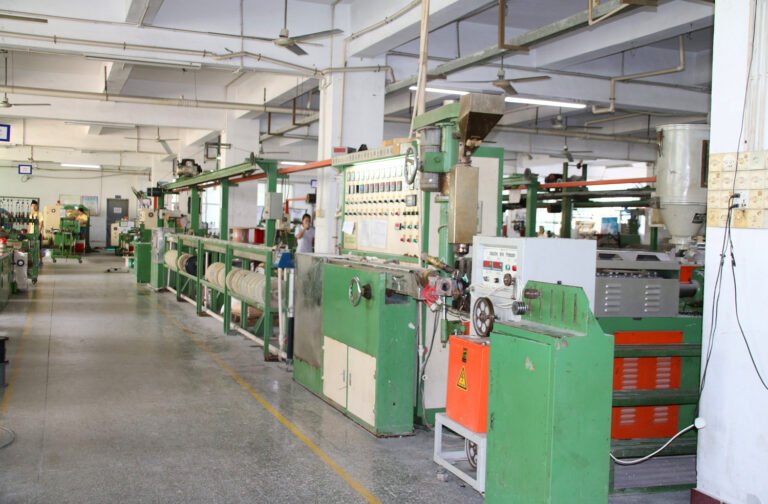
- Precision-controlled conductor placement
- Automated soldering with consistent joint quality
- Real-time process monitoring
This results in stable signal integrity across every production batch.
3. Automation Reduces Human Error at Scale
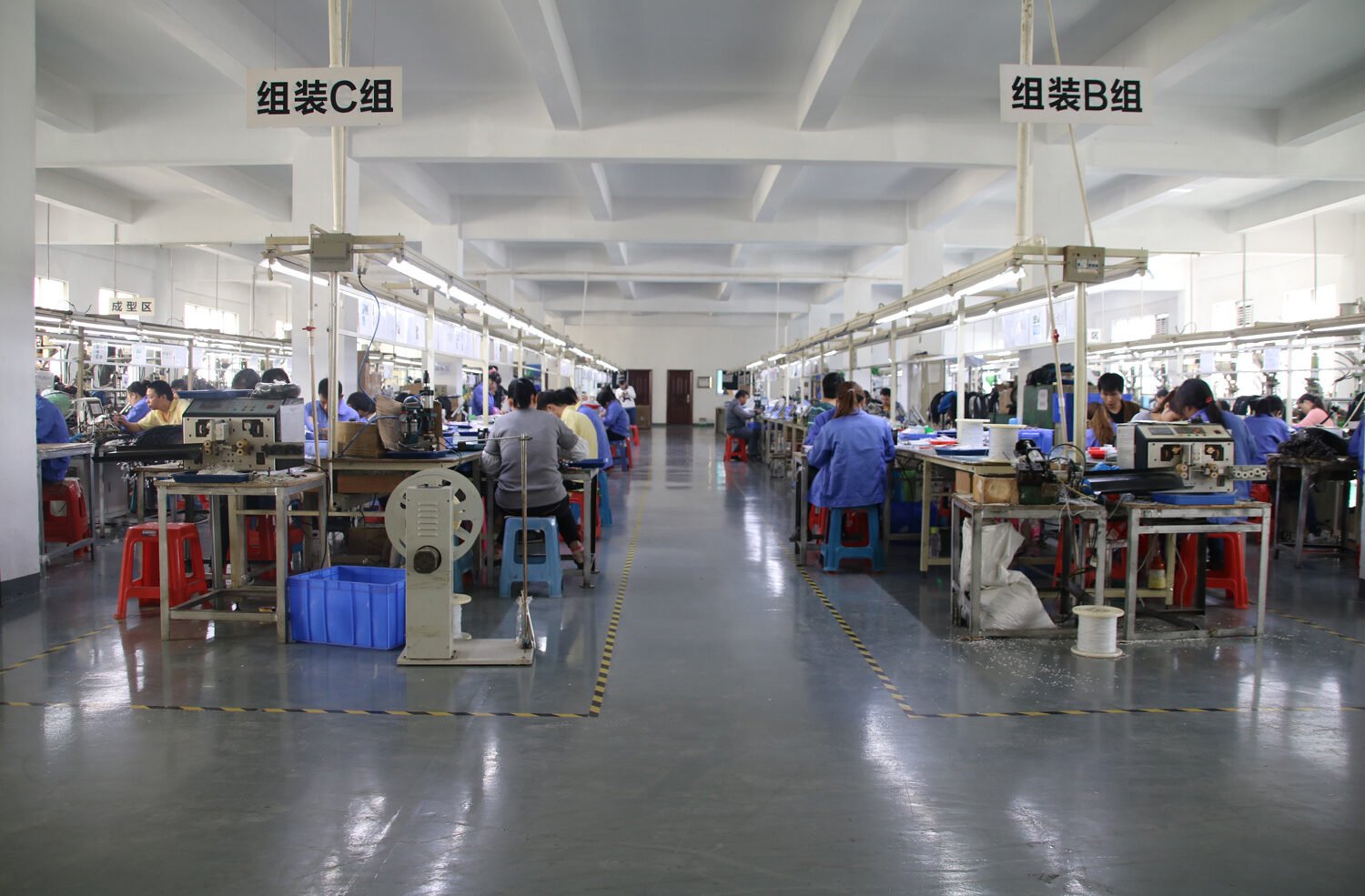
Manual processes are vulnerable to fatigue and variability.
Benefits of Automated Production
- Repeatable accuracy
- Reduced defect rates
- Higher yield consistency
For large-volume OEM projects, automation ensures predictable performance, not just acceptable samples.
4. High-Speed Signal Integrity Requires Precision Manufacturing
At high frequencies, even small deviations can cause:
- Data errors
- Video flickering
- Reduced throughput
Automated systems maintain:
- Tight impedance control
- Consistent shielding overlap
- Uniform cable geometry
This precision is essential for USB4 and other high-speed standards.
5. Automation Enables Reliable E-Marker Integration
E-marker chips play a critical role in high-power and high-speed USB-C cables.
Automated processes ensure:
- Accurate chip placement
- Correct soldering and connections
- Reliable communication between cable and device
Manual assembly increases the risk of E-marker failure or inconsistency.
6. Scalability Without Compromising Quality
One of the biggest challenges for OEM buyers is scaling production without losing quality.
Automated Production Allows:
- Rapid volume scaling
- Stable lead times
- Consistent quality across millions of units
This makes automation essential for global B2B supply chains.
7. Integration with Automated Testing Systems
Automation does not end at production—it extends to testing.
Fully Automated Testing Covers:
- Electrical continuity
- Signal performance
- Power load and thermal behavior
100% automated testing ensures every cable meets specifications, not just random samples.
8. Cost Efficiency Through Long-Term Quality
While automation requires higher initial investment, it reduces:
- Rework and scrap
- After-sales returns
- Warranty claims
For brands, this means lower total cost of ownership, even if unit prices are not the lowest.
9. Automation Supports Compliance and Certification
Consistent production is critical for:
- USB-IF compliance
- CE / FCC certification
- UL safety standards
Automated manufacturing simplifies documentation and audit processes.
10. Why Global Buyers Prefer Automated OEM Factories
For North American and global B2B buyers, automation signals:
- Technical maturity
- Quality stability
- Long-term supply reliability
Factories with advanced automation are better positioned to support strategic partnerships, not just transactions.
Conclusion: Automation Is the Foundation of Modern Cable Manufacturing
In high-speed cable manufacturing, automation is not optional. It is the foundation that enables:
- Performance consistency
- Safety assurance
- Scalable production
- Global compliance
For brands and OEM buyers, choosing an automated manufacturing partner is a critical strategic decision that directly impacts product success and market reputation.