
Introduction: USB-C Is No Longer Just a Connector
USB-C has evolved far beyond a simple charging or data connector. It is now the foundation of modern digital ecosystems, enabling power delivery, high-speed data transfer, and ultra-high-definition video through a single interface.
As industries move toward device convergence and simplified connectivity, USB-C is becoming a strategic infrastructure component—from smartphones and laptops to enterprise workstations, industrial equipment, and smart environments.
For OEM manufacturers and B2B buyers, understanding the future of the USB-C ecosystem is critical for long-term product planning and sourcing decisions.
1. USB-C as the Universal Interface Standard
The End of Fragmented Connectivity
The global shift toward USB-C is driven by:
- Device standardization
- Regulatory policies
- Consumer demand for simplicity
USB-C eliminates the need for multiple proprietary connectors, reducing complexity across hardware design and supply chains.
Long-Term Implications
- Lower production and inventory costs
- Simplified accessory ecosystems
- Faster global adoption cycles
USB-C is no longer optional—it is becoming mandatory infrastructure.
2. Smartphones: USB-C as the Power & Data Hub
Modern smartphones increasingly rely on USB-C as their primary physical interface.
Key Trends
- Fast charging with USB PD
- High-speed data transfer for content creation
- External display support
Smartphones are evolving into portable computing devices, increasing demand for high-performance USB-C cables and adapters.
3. Laptops and Tablets: One Port, Multiple Functions
USB-C is now the standard interface for laptops, tablets, and hybrid devices.
Core Use Cases
- Charging up to 240W
- External displays (4K / 8K)
- Docking station connectivity
- Peripheral expansion
This convergence places extreme performance demands on USB-C cables, especially for professional users.
4. Docking Stations and Multi-Monitor Workstations
The rise of hybrid work has accelerated demand for advanced USB-C docking solutions.
Market Drivers
- Remote and flexible working models
- Multi-monitor productivity setups
- Device hot-swapping
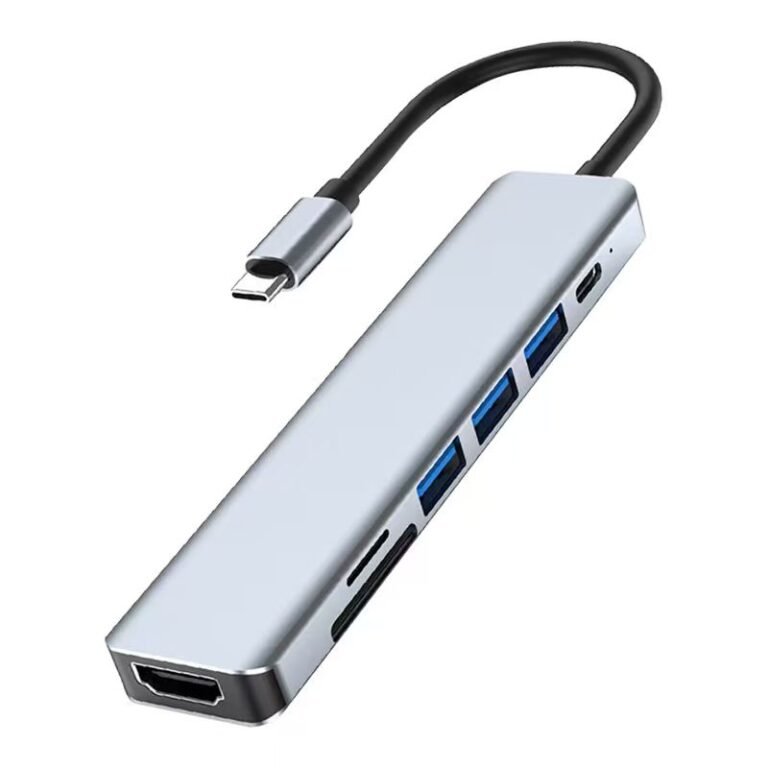
USB-C hubs and docks must deliver stable signal transmission, making cable quality a decisive factor.
5. USB4 and the Era of High-Speed Connectivity
USB4 represents a major leap forward in USB technology.
Key Features
- Up to 40Gbps data transfer
- Improved protocol tunneling
- Enhanced compatibility with Thunderbolt
USB4 adoption significantly raises engineering and manufacturing requirements for cables and connectors.
6. Signal Integrity: The Core Technical Challenge
As speeds increase, signal integrity becomes the most critical technical challenge.
Influencing Factors
- Cable structure and shielding
- Conductor materials
- Connector precision
- Manufacturing tolerances
OEM manufacturers must invest in high-frequency engineering expertise to meet future requirements.
7. Power Delivery Evolution: From Charging to Power Management
USB PD is evolving beyond simple charging.
Emerging Capabilities
- 240W Extended Power Range
- Intelligent power negotiation
- Thermal and safety management
USB-C is becoming a power management platform, not just a connector.
8. Industrial, Medical, and Automotive Applications
USB-C is expanding into non-consumer environments.
New Application Areas
- Industrial automation systems
- Medical diagnostic equipment
- Automotive infotainment and control systems
These applications demand:
- Higher reliability
- Longer product life cycles
- Stricter compliance standards
Only experienced OEM manufacturers can meet these expectations.
9. Sustainability and the USB-C Supply Chain
Environmental responsibility is shaping the future of USB-C manufacturing.
Key Focus Areas
- RoHS and REACH compliance
- Eco-friendly materials
- Energy-efficient production
- Reduced electronic waste
USB-C’s universal nature supports sustainability by reducing redundant accessories.
10. OEM & ODM Opportunities in the USB-C Ecosystem
For OEM Manufacturers
- Develop USB4 and PD expertise
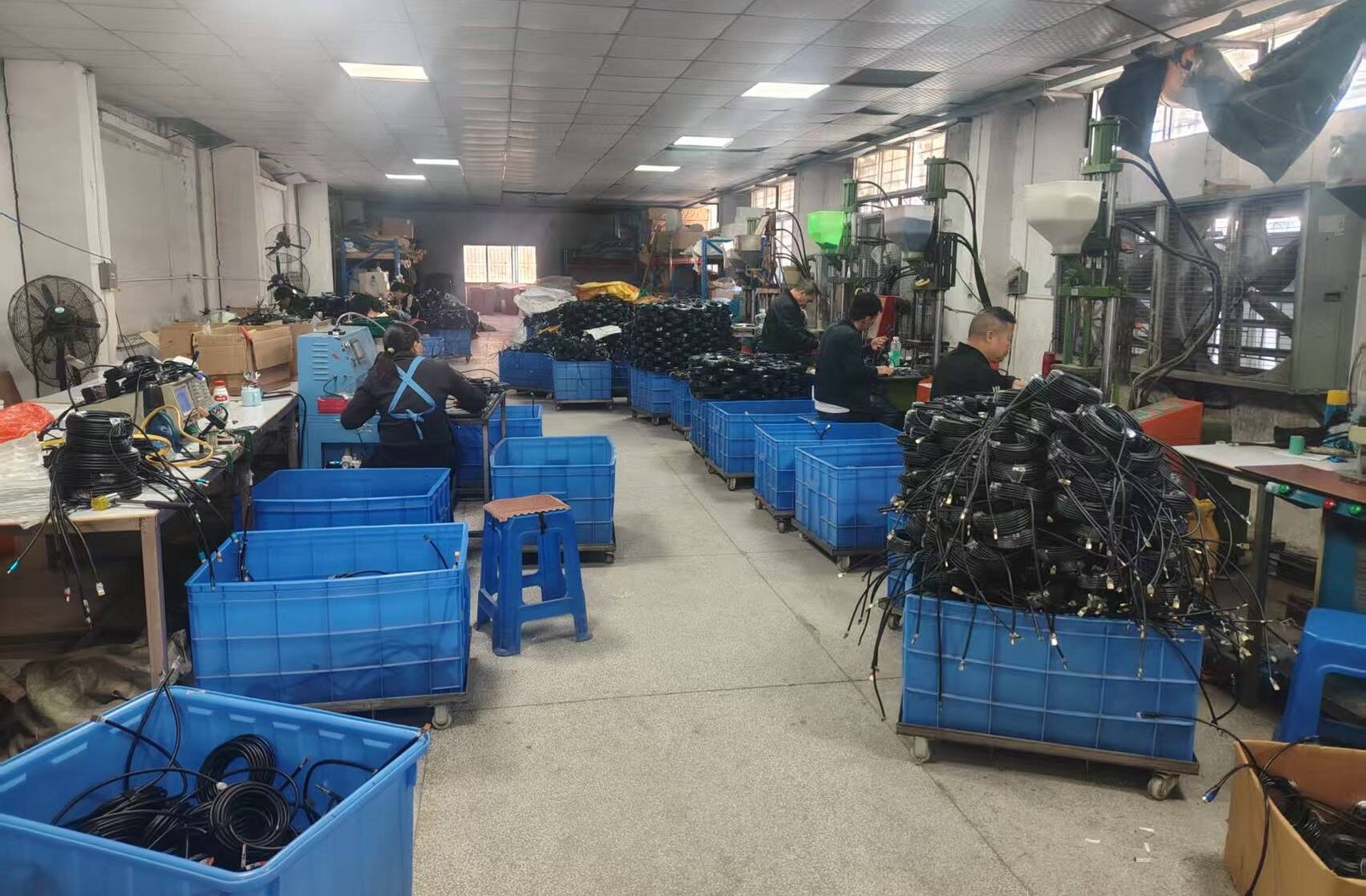
- Invest in automation and testing
- Offer deep customization services
For B2B Buyers
- Choose technically mature suppliers
- Prioritize quality and compliance
- Plan for long-term standard evolution
Strategic partnerships will define competitive advantage.
11. Challenges Ahead for the USB-C Ecosystem
Despite its growth, the USB-C ecosystem faces challenges:
- Counterfeit and low-quality products
- Consumer confusion about performance differences
- Rapid technology evolution
Education, transparency, and quality assurance will be essential.
12. The Road Ahead: USB-C as Digital Infrastructure
USB-C is evolving into a universal digital backbone, connecting devices, power, and data across industries.
Future development will focus on:
- Higher speeds
- Smarter power management
- Broader application integration
Manufacturers and buyers who adapt early will lead the next generation of connectivity solutions.
Conclusion: Preparing for a USB-C–Driven Future
The future of the USB-C ecosystem extends far beyond consumer electronics. As devices converge and performance demands rise, USB-C will play a central role in global digital infrastructure.
Success in this ecosystem requires:
- Technical expertise
- Manufacturing excellence
- Strategic OEM partnerships
USB-C is not just the present—it is the future of connectivity.