
Introduction: Why USB-C Has Become the Global Standard
Over the past decade, USB-C has rapidly evolved from a niche connector into the universal interface standard for modern electronic devices. From smartphones and laptops to monitors, docking stations, and industrial equipment, USB-C cables now serve as the backbone for data transmission, video output, and power delivery.
For global B2B buyers, brand owners, and distributors, understanding USB-C is no longer optional—it is essential. Choosing the right USB-C cable supplier directly affects product performance, customer satisfaction, compliance, and long-term brand reputation.
This guide provides a comprehensive, technical yet practical overview of USB-C cables, covering standards, speeds, applications, and what truly matters when sourcing USB-C products from professional OEM manufacturers.
1. What Is USB-C? A Connector Designed for the Future
USB-C refers to the connector type, not the protocol itself. Unlike previous USB connectors, USB-C was designed with versatility and scalability in mind.
Key Physical Advantages of USB-C
- Reversible plug design (no orientation issues)
- Compact size suitable for thin devices
- High pin density enabling multi-function support
- Durable structure supporting thousands of insertion cycles
However, the real value of USB-C lies in what runs through the connector—multiple protocols and power standards.
2. Understanding USB-C Standards: USB 2.0, USB 3.2, and USB4
One of the most common misunderstandings in the market is assuming that all USB-C cables are the same. In reality, USB-C cables differ significantly depending on the supported standard.
USB-C with USB 2.0
- Data speed: up to 480 Mbps
- Common use: charging cables, basic data transfer
- Cost-effective solution for mass consumer products
USB-C with USB 3.2
USB 3.2 comes in multiple generations:
- Gen 1: 5 Gbps
- Gen 2: 10 Gbps
- Gen 2×2: 20 Gbps
These cables are widely used in:
- External storage
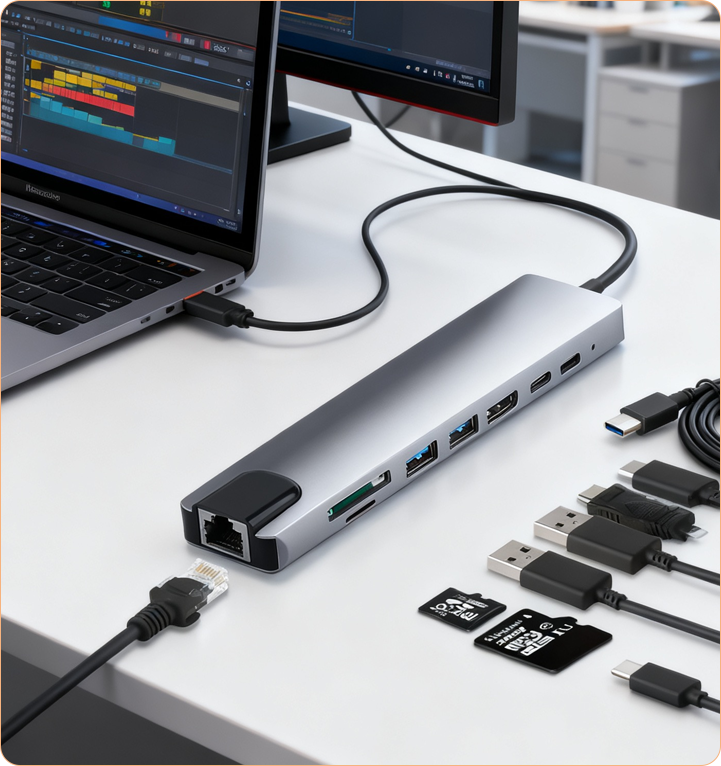
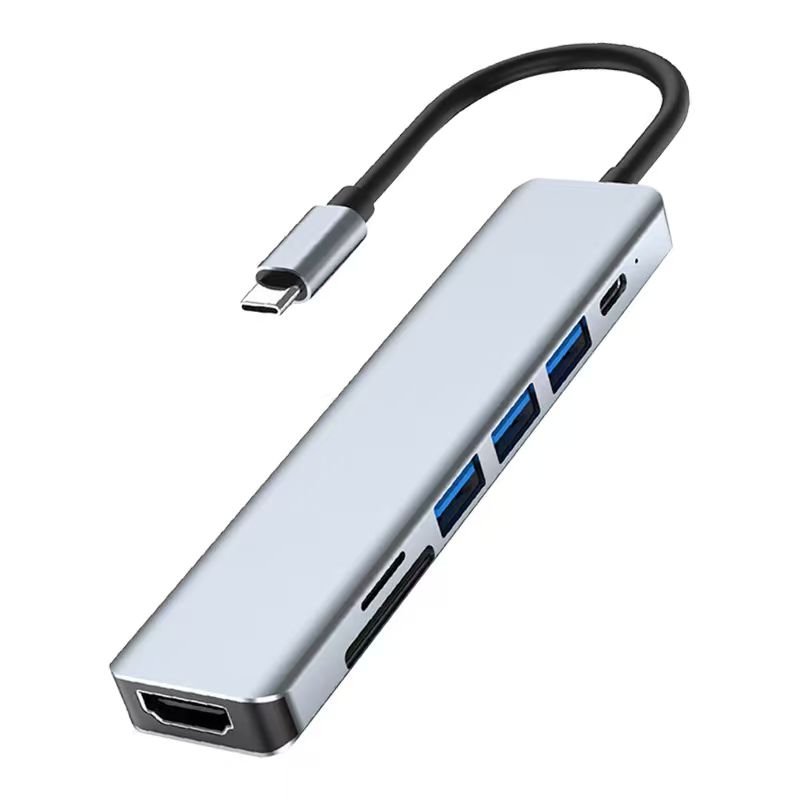
- Docking stations
- High-speed data devices
USB4: The High-Performance Standard
USB4 represents a major leap forward:
- Data speed: up to 40 Gbps
- Supports DisplayPort and PCIe tunneling
- Compatible with Thunderbolt architecture
- Ideal for professional workstations and multi-display setups
For OEM buyers, USB4 cables require higher material standards, tighter impedance control, and advanced testing capabilities.
3. Power Delivery (PD): Charging Is No Longer Simple
USB-C Power Delivery (PD) transformed USB from a data interface into a universal power solution.
Key Power Delivery Capabilities
- Power output up to 240W (USB PD 3.1)
- Dynamic voltage and current negotiation
- Bidirectional power flow
Typical Applications
- Laptops and monitors
- Docking stations
- Industrial devices
- Smart home equipment
For OEM projects, PD performance depends heavily on:
- E-marker chip integration
- Copper conductor quality
- Insulation and thermal management
A poorly designed PD cable can lead to overheating, unstable charging, or device damage—making professional manufacturing critical.
4. USB-C for Video: DisplayPort and HDMI Alt Mode
USB-C supports video output through Alternate Mode (Alt Mode), allowing a single cable to transmit video, data, and power simultaneously.
Common Video Applications
- USB-C to DisplayPort
- USB-C to HDMI
- USB-C docking stations
- Multi-monitor setups
High-resolution video (4K/8K) places strict requirements on:
- Signal integrity
- Shielding structure
- Connector precision
OEM manufacturers must conduct signal eye-diagram testing and impedance matching to ensure stable performance.
5. Cable Structure: What’s Inside a High-Quality USB-C Cable?
From the outside, USB-C cables may look identical. Internally, the difference between a low-cost cable and a professional OEM cable is substantial.
Key Internal Components
- High-purity copper conductors
- Multi-layer shielding (foil + braid)
- High-temperature insulation materials
- Precision-molded connectors
- E-marker chips (for high-power/high-speed cables)
Each component directly affects durability, speed, and safety.
6. Why OEM Manufacturing Matters in USB-C Cable Production
USB-C cables are no longer simple accessories—they are technical products. OEM manufacturing capability determines whether a cable performs reliably in real-world use.
Key OEM Capabilities Buyers Should Look For
- Fully automated production lines
- High-frequency cable manufacturing experience
- In-house mold and tooling support
- Electrical and signal testing systems
- Stable supply chain for raw materials
Automated manufacturing reduces human error, ensures consistency, and supports large-scale global supply.
7. Quality Control and Testing: The Invisible Difference
Professional OEM manufacturers implement 100% testing, not random sampling.
Essential Testing Processes
- Continuity and short-circuit testing
- Signal integrity testing
- Power load and thermal testing
- Plug/unplug lifecycle testing
Without these steps, cables may pass visual inspection but fail in real usage scenarios—damaging brand credibility.
8. Compliance and Certifications for Global Markets
For North America and global B2B markets, USB-C products must meet strict regulatory requirements.
Common Certifications
- USB-IF compliance
- CE / FCC
- RoHS / REACH
- UL (for power-related products)
OEM manufacturers with certification experience help buyers avoid delays, rejections, and compliance risks.
9. Customization in OEM USB-C Projects
OEM USB-C projects often require more than standard products.
Common Customization Options
- Cable length and structure
- Connector angle and housing
- Branding and private labeling
- Packaging design
- Performance tuning for specific applications
An experienced OEM partner provides technical guidance—not just manufacturing.
10. Choosing the Right USB-C OEM Manufacturer
When selecting a USB-C cable supplier, price should never be the only factor.
Key Evaluation Criteria
- Manufacturing scale and automation level
- Testing and quality control systems
- Experience with global customers
- Ability to support long-term supply
- Transparent communication and engineering support
A reliable OEM manufacturer becomes a strategic partner, not just a supplier.