
Introduction: Why USB-C Cable Quality Problems Are So Common
Despite the widespread adoption of USB-C, quality issues remain one of the biggest pain points for global B2B buyers, distributors, and brand owners. Many USB-C cables look identical on the outside, yet perform very differently in real-world applications.
Common complaints include unstable charging, intermittent data transfer, video flickering, overheating, and even device damage. In most cases, these problems are not caused by device incompatibility—but by manufacturing and quality control failures.
This article examines the most common USB-C cable quality issues and explains how professional OEM manufacturers systematically prevent them.
1. Unstable Charging and Power Delivery Failures
The Problem
Users often report that USB-C cables:
- Charge slowly
- Disconnect during charging
- Cause devices to heat up
These issues are especially common with high-power applications such as laptops and docking stations.
Root Causes
- Incorrect conductor gauge selection
- Poor-quality copper materials
- Improper Power Delivery (PD) design
- Faulty or missing E-marker chips
How Professional OEM Factories Prevent It
Conduct power load and thermal testing on every unit
Use high-purity copper conductors with correct AWG sizing
Implement USB PD–compliant designs
Integrate certified E-marker chips
2. Data Transfer Instability at High Speeds
The Problem
USB-C cables advertised as “high-speed” often fail to deliver stable performance at USB 3.2 or USB4 speeds.
Root Causes
- Inconsistent impedance control
- Poor differential pair matching
- Insufficient shielding
- Manual production variability
OEM Prevention Methods
- Fully automated cable assembly
- Precision impedance matching
- Multi-layer shielding (foil + braid)
- High-frequency signal testing and verification
Professional factories treat high-speed data transmission as an engineering discipline, not a marketing claim.
3. Video Signal Flickering or Display Dropouts
The Problem
When used for video output, some USB-C cables cause:
- Screen flickering
- Intermittent signal loss
- Reduced resolution
Root Causes
- Inadequate support for DisplayPort Alt Mode
- Signal attenuation due to poor materials
- Connector precision issues
OEM Solutions
- Optimize internal cable structure for video tunneling
- Use high-quality connectors with tight tolerances
- Perform signal integrity and eye-diagram testing
Reliable video performance requires precision manufacturing, not just protocol support.
4. Overheating and Safety Risks
The Problem
Overheating cables pose serious safety concerns and can damage devices or cause user injury.
Root Causes
- Low-quality insulation materials
- Incorrect conductor sizing
- Poor heat dissipation design
Professional OEM Approach
- Select heat-resistant insulation materials
- Design cables for controlled current flow
- Conduct continuous thermal testing under load
Safety is not optional—it is a core responsibility of professional manufacturers.
5. Short Cable Lifespan and Mechanical Failure
The Problem
Cables often fail after repeated bending or plugging.
Root Causes
- Weak strain relief design
- Low-quality molding materials
- Insufficient durability testing
OEM Prevention Strategies
- Reinforced strain relief structures
- High-durability connector housings
- Plug/unplug and bending lifecycle testing
Durability directly affects brand reputation and after-sales costs.
6. Inconsistent Quality Between Production Batches
The Problem
Some suppliers deliver good samples but inconsistent bulk orders.
Root Causes
- Manual production processes
- Inconsistent raw materials
- Lack of standardized procedures
OEM Quality Control Measures
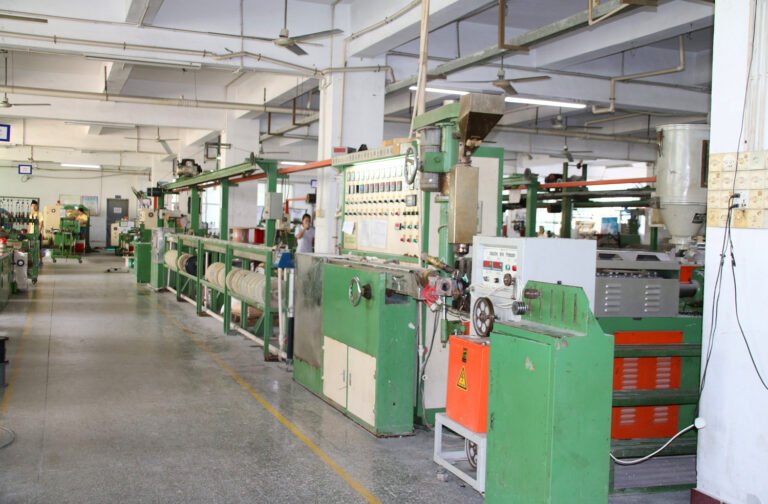
- Fully automated production lines
- Standardized work instructions
- Strict incoming material inspection
- Continuous process monitoring
Consistency is a hallmark of mature OEM manufacturing.
7. E-Marker Chip Errors and Compatibility Issues
The Problem
Incorrect E-marker implementation can cause:
- Power negotiation failures
- Device incompatibility
- Speed limitations
Root Causes
- Uncertified chip sourcing
- Incorrect programming
- Lack of functional testing
Professional OEM Prevention
- Use certified E-marker chips only
- Implement firmware verification
- Perform full functional testing on every cable
E-marker accuracy is critical for high-power and high-speed cables.
8. Failure to Meet Global Compliance Requirements
The Problem
Cables rejected due to certification or compliance issues cause costly delays.
Root Causes
- Inadequate documentation
- Lack of testing experience
- Non-compliant materials
OEM Compliance Support
- Experience with USB-IF, CE, FCC, UL
- RoHS and REACH-compliant materials
- Pre-compliance testing during development
Professional OEM factories help buyers reduce regulatory risk.
9. Lack of Technical Support After Delivery
The Problem
Some suppliers disappear once products are shipped.
Why This Matters
USB-C is a complex technology, and issues may arise during integration or market use.
OEM Best Practice
- Dedicated technical support teams
- Clear documentation
- Fast response to quality feedback
Long-term support separates partners from suppliers.
Conclusion: Quality Is Engineered, Not Assumed
Most USB-C cable quality issues originate from poor manufacturing practices, not from the USB-C standard itself.
Professional OEM factories prevent these problems through:
- Advanced automation
- Engineering-driven design
- Comprehensive testing systems
- Strict quality control
For global B2B buyers, understanding these issues enables smarter sourcing decisions and stronger, more reliable products in the market.