

Introduction: USB-C as the Backbone of Modern Connectivity
USB-C has rapidly become the dominant connectivity interface across consumer electronics, computing devices, and professional equipment. Its ability to support data, video, and power through a single connector has reshaped global supply chains and accelerated demand for high-quality cables and accessories.
For OEM manufacturers and B2B buyers, understanding market trends is critical—not only to stay competitive, but to anticipate where demand, technology, and sourcing strategies are heading.
This article explores key global USB-C cable market trends and highlights emerging opportunities for OEM partners and B2B buyers.
1. Accelerated Global Adoption of USB-C
Regulatory requirements, device standardization, and consumer demand are driving global USB-C adoption.
Key Drivers
- Regulatory pressure for universal charging interfaces
- OEM device manufacturers reducing port diversity
- Consumer preference for single-cable solutions
USB-C is now standard across laptops, tablets, smartphones, monitors, and docking stations, creating sustained long-term demand.
2. Rising Demand for High-Speed and High-Power Cables
As devices become more powerful, cable requirements increase accordingly.
Market Shifts
- Transition from USB 2.0 to USB 3.2 and USB4
- Growing adoption of USB PD 100W–240W
- Increased demand for video-capable USB-C cables
OEM buyers must prioritize performance-certified products over low-cost alternatives.
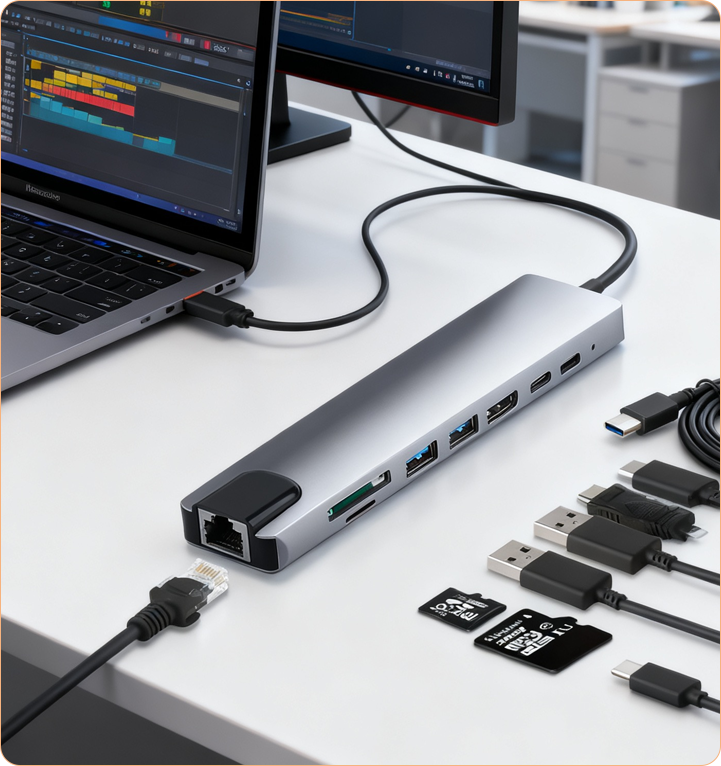
3. Growth of Docking Stations and Multi-Display Workstations
Remote work, hybrid offices, and professional content creation have significantly increased demand for docking solutions.
Impact on Cable Demand
- Higher requirements for signal integrity
- Greater need for stable video transmission
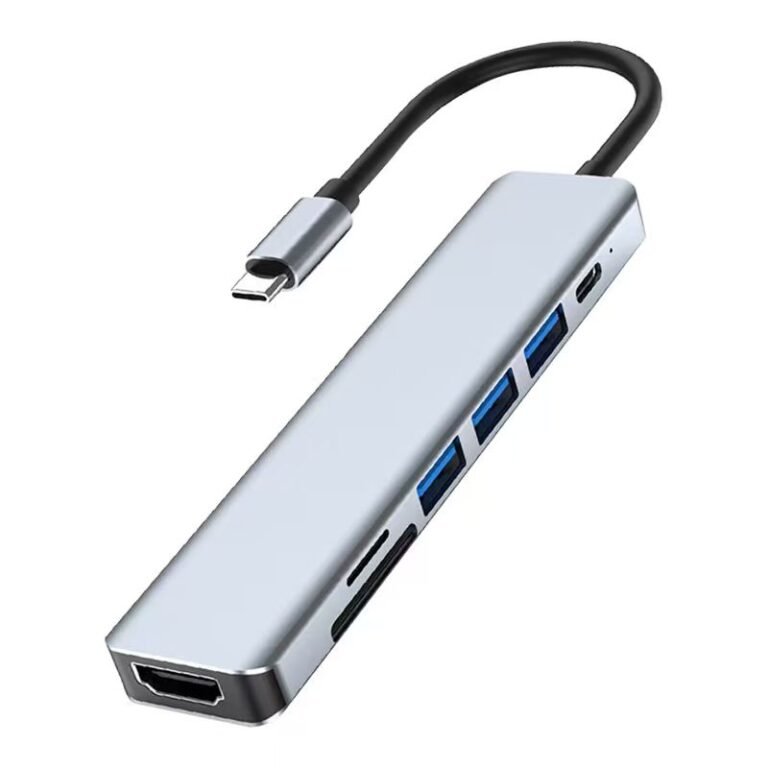
- Preference for USB-C hubs and multi-function cables
This trend favors OEM manufacturers with high-frequency engineering capabilities.
4. OEM & ODM Customization Becomes a Core Requirement
Standard products are no longer sufficient for competitive differentiation.
Common Customization Trends
- Private labeling and branding
- Customized cable length and structure
- Application-specific performance tuning
- Retail-ready packaging
OEM partners that offer flexible customization and engineering support gain a clear advantage.
5. Quality and Compliance Take Priority Over Price
B2B buyers increasingly focus on total cost of ownership rather than unit price.
Why This Matters
- High-speed cables are safety-critical components
- Compliance failures lead to costly delays
- Poor quality damages brand reputation
Manufacturers with strong quality systems and compliance experience are preferred long-term partners.
6. Automation as a Key Market Differentiator
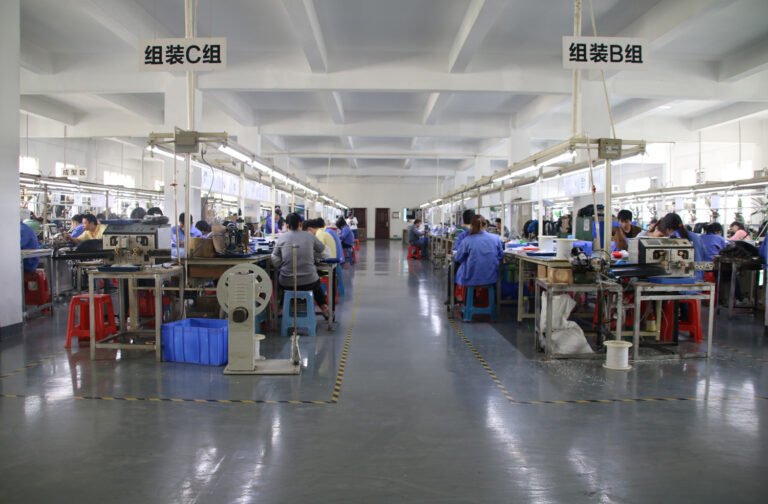
As volumes increase and standards evolve, manual production methods are becoming obsolete.
Market Expectation
- Fully automated production lines
- Automated testing systems
- Consistent batch-to-batch quality
Automation is now seen as a baseline requirement for serious OEM suppliers.
7. Supply Chain Stability Gains Strategic Importance
Recent global disruptions have reshaped sourcing strategies.
Buyer Priorities
- Stable production capacity
- Multiple manufacturing sites
- In-house material control
OEM manufacturers with resilient supply chains are better positioned to support global customers.
8. Sustainability and Environmental Compliance
Environmental responsibility is increasingly important in global markets.
Market Trends
- RoHS and REACH compliance as standard
- Demand for environmentally friendly materials
- Energy-efficient production processes
Sustainability is becoming a competitive factor, not just a regulatory requirement.
9. Emerging Markets and New Application Scenarios
Beyond traditional consumer electronics, USB-C is expanding into:
- Industrial equipment
- Medical devices
- Automotive applications
- Smart home systems
These applications require higher reliability and stricter quality control, favoring experienced OEM manufacturers.
10. Strategic Opportunities for OEM & B2B Buyers
For OEM Manufacturers
- Invest in automation and testing
- Develop high-speed engineering expertise
- Expand customization services
For B2B Buyers
- Partner with technically mature manufacturers
- Focus on long-term quality and supply stability
- Prepare for USB4 and next-generation standards
Early alignment with capable OEM partners provides a sustainable competitive edge.
Conclusion: USB-C Market Growth Favors Professional OEM Partners
The global USB-C cable market continues to expand, driven by technology convergence, device standardization, and rising performance demands.
For OEM manufacturers and B2B buyers alike, success depends on:
- Technical capability
- Manufacturing excellence
- Quality consistency
- Strategic collaboration
Those who adapt to these trends will lead the next phase of the connectivity industry.